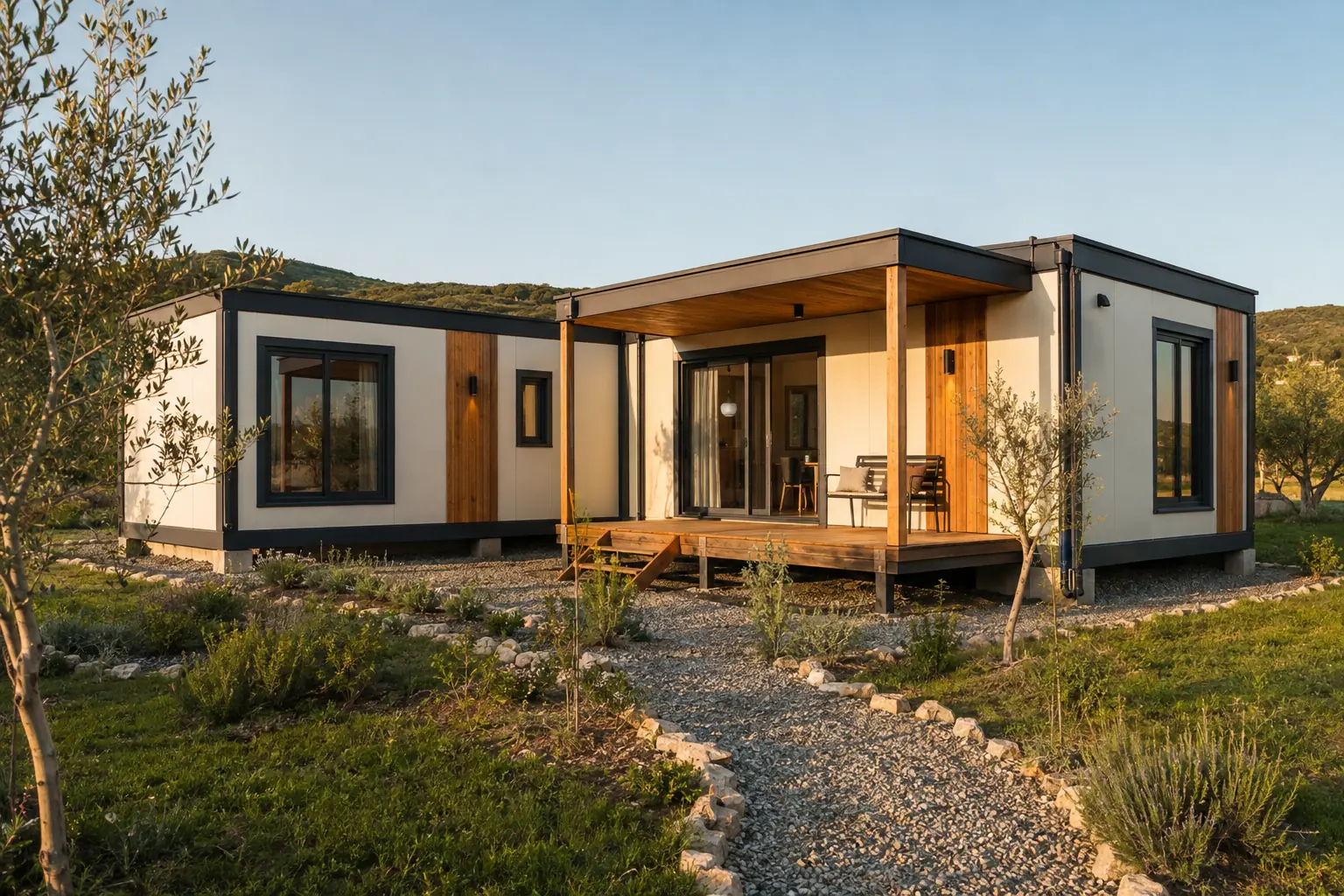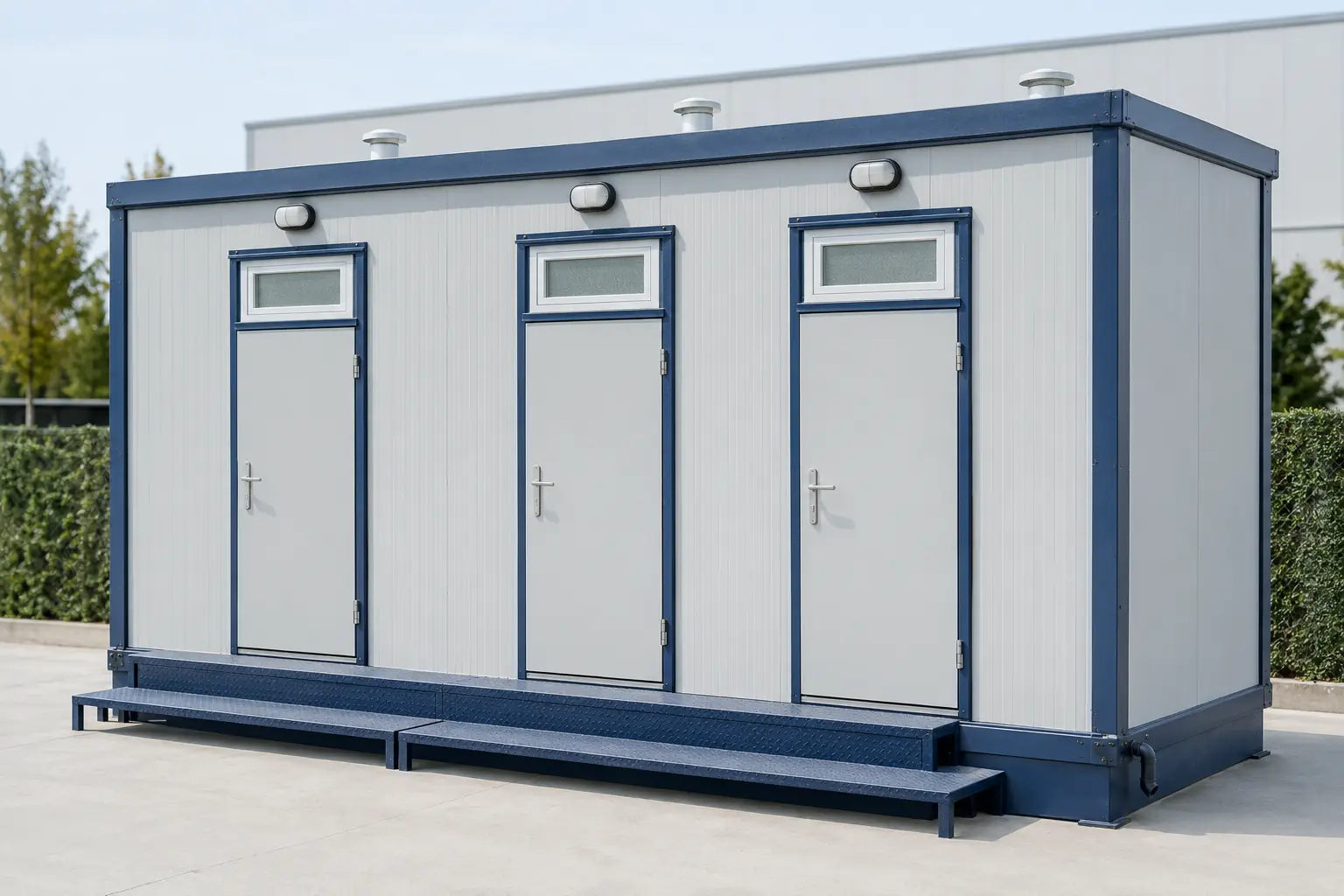



An end-to-end guide to container-home decisions, from the plot and layout to insulation and whole-life cost. This guide connects decisions from the early idea through technical approval and operation.
Defining the real need
Decide whether the building is a permanent home, weekend retreat or rental unit. Within container home guide: land, permits, insulation and a sound budget, this is not an isolated drawing decision: it affects user experience, technical performance, investment cost and the delivery programme at the same time. A strong team separates known information, uncertainty and acceptance criteria before selecting products. It then defines measurable targets and creates one decision language for the manufacturer, designer, site team and operator. The reasons behind each choice remain traceable, so the same issue is not reopened by different people later. That discipline improves decision speed and the quality of the completed building.
Combine rooms, storage, privacy and future expansion in one brief. The evaluation should consider more than initial price. Delivery time, maintenance access, energy demand, user capacity, potential expansion and reuse value all belong in the same matrix. When plans, sections, samples, performance criteria and responsibility limits are reviewed together before manufacture, factory speed becomes a genuine advantage. Modular work packages progress in parallel, so a late decision that appears small can influence several completed assemblies. The approval schedule therefore deserves the same care as the technical programme, with a named owner and deadline for each decision.
Appearance alone can produce an expensive plan that fails in daily life. The most effective risk control is to expose assumptions and avoid leaving inspection to the final day. At stage 1, a concise checklist should name the expected result, responsible party, evidence and closure date. Photographic records, sample approvals and functional tests do more than verify quality; they improve communication between every party. The goal is not to create the largest set of documents, but to make the right decision at the right time and describe it clearly enough for site execution. That discipline creates measurable value from the building's first appearance through many years of operation.
Plot and site analysis
Read slope, access, wind, sun, views and neighbour setbacks together. Within container home guide: land, permits, insulation and a sound budget, this is not an isolated drawing decision: it affects user experience, technical performance, investment cost and the delivery programme at the same time. A strong team separates known information, uncertainty and acceptance criteria before selecting products. It then defines measurable targets and creates one decision language for the manufacturer, designer, site team and operator. The reasons behind each choice remain traceable, so the same issue is not reopened by different people later. That discipline improves decision speed and the quality of the completed building.
Solve crane and truck access in the first site sketch. The evaluation should consider more than initial price. Delivery time, maintenance access, energy demand, user capacity, potential expansion and reuse value all belong in the same matrix. When plans, sections, samples, performance criteria and responsibility limits are reviewed together before manufacture, factory speed becomes a genuine advantage. Modular work packages progress in parallel, so a late decision that appears small can influence several completed assemblies. The approval schedule therefore deserves the same care as the technical programme, with a named owner and deadline for each decision.
A module that cannot reach its base creates transfers, damage and delay. The most effective risk control is to expose assumptions and avoid leaving inspection to the final day. At stage 2, a concise checklist should name the expected result, responsible party, evidence and closure date. Photographic records, sample approvals and functional tests do more than verify quality; they improve communication between every party. The goal is not to create the largest set of documents, but to make the right decision at the right time and describe it clearly enough for site execution. That discipline creates measurable value from the building's first appearance through many years of operation.
Planning and permits
Confirm building class, permit, setbacks and utility rules with the authority. Within container home guide: land, permits, insulation and a sound budget, this is not an isolated drawing decision: it affects user experience, technical performance, investment cost and the delivery programme at the same time. A strong team separates known information, uncertainty and acceptance criteria before selecting products. It then defines measurable targets and creates one decision language for the manufacturer, designer, site team and operator. The reasons behind each choice remain traceable, so the same issue is not reopened by different people later. That discipline improves decision speed and the quality of the completed building.
Record the required architectural and engineering documents. The evaluation should consider more than initial price. Delivery time, maintenance access, energy demand, user capacity, potential expansion and reuse value all belong in the same matrix. When plans, sections, samples, performance criteria and responsibility limits are reviewed together before manufacture, factory speed becomes a genuine advantage. Modular work packages progress in parallel, so a late decision that appears small can influence several completed assemblies. The approval schedule therefore deserves the same care as the technical programme, with a named owner and deadline for each decision.
Treating movable as permit-free can cause penalties and utility problems. The most effective risk control is to expose assumptions and avoid leaving inspection to the final day. At stage 3, a concise checklist should name the expected result, responsible party, evidence and closure date. Photographic records, sample approvals and functional tests do more than verify quality; they improve communication between every party. The goal is not to create the largest set of documents, but to make the right decision at the right time and describe it clearly enough for site execution. That discipline creates measurable value from the building's first appearance through many years of operation.
Layout and floor area
Develop a compact plan using real furniture dimensions. Within container home guide: land, permits, insulation and a sound budget, this is not an isolated drawing decision: it affects user experience, technical performance, investment cost and the delivery programme at the same time. A strong team separates known information, uncertainty and acceptance criteria before selecting products. It then defines measurable targets and creates one decision language for the manufacturer, designer, site team and operator. The reasons behind each choice remain traceable, so the same issue is not reopened by different people later. That discipline improves decision speed and the quality of the completed building.
Compare 42, 84 and 126 m² options against household, guests and outdoor life. The evaluation should consider more than initial price. Delivery time, maintenance access, energy demand, user capacity, potential expansion and reuse value all belong in the same matrix. When plans, sections, samples, performance criteria and responsibility limits are reviewed together before manufacture, factory speed becomes a genuine advantage. Modular work packages progress in parallel, so a late decision that appears small can influence several completed assemblies. The approval schedule therefore deserves the same care as the technical programme, with a named owner and deadline for each decision.
Confusing gross and net area makes rooms feel unexpectedly small. The most effective risk control is to expose assumptions and avoid leaving inspection to the final day. At stage 4, a concise checklist should name the expected result, responsible party, evidence and closure date. Photographic records, sample approvals and functional tests do more than verify quality; they improve communication between every party. The goal is not to create the largest set of documents, but to make the right decision at the right time and describe it clearly enough for site execution. That discipline creates measurable value from the building's first appearance through many years of operation.
Structure and foundations
Engineer the chassis for soil, earthquake, snow and wind actions. Within container home guide: land, permits, insulation and a sound budget, this is not an isolated drawing decision: it affects user experience, technical performance, investment cost and the delivery programme at the same time. A strong team separates known information, uncertainty and acceptance criteria before selecting products. It then defines measurable targets and creates one decision language for the manufacturer, designer, site team and operator. The reasons behind each choice remain traceable, so the same issue is not reopened by different people later. That discipline improves decision speed and the quality of the completed building.
Select foundations with the soil study, joints and drainage levels. The evaluation should consider more than initial price. Delivery time, maintenance access, energy demand, user capacity, potential expansion and reuse value all belong in the same matrix. When plans, sections, samples, performance criteria and responsibility limits are reviewed together before manufacture, factory speed becomes a genuine advantage. Modular work packages progress in parallel, so a late decision that appears small can influence several completed assemblies. The approval schedule therefore deserves the same care as the technical programme, with a named owner and deadline for each decision.
A generic foundation is not safe or economic for every plot. The most effective risk control is to expose assumptions and avoid leaving inspection to the final day. At stage 5, a concise checklist should name the expected result, responsible party, evidence and closure date. Photographic records, sample approvals and functional tests do more than verify quality; they improve communication between every party. The goal is not to create the largest set of documents, but to make the right decision at the right time and describe it clearly enough for site execution. That discipline creates measurable value from the building's first appearance through many years of operation.
Four-season insulation
Assess roof, floor, windows and thermal bridges as well as walls. Within container home guide: land, permits, insulation and a sound budget, this is not an isolated drawing decision: it affects user experience, technical performance, investment cost and the delivery programme at the same time. A strong team separates known information, uncertainty and acceptance criteria before selecting products. It then defines measurable targets and creates one decision language for the manufacturer, designer, site team and operator. The reasons behind each choice remain traceable, so the same issue is not reopened by different people later. That discipline improves decision speed and the quality of the completed building.
Specify panel core, thickness, vapour control and glazing for the climate. The evaluation should consider more than initial price. Delivery time, maintenance access, energy demand, user capacity, potential expansion and reuse value all belong in the same matrix. When plans, sections, samples, performance criteria and responsibility limits are reviewed together before manufacture, factory speed becomes a genuine advantage. Modular work packages progress in parallel, so a late decision that appears small can influence several completed assemblies. The approval schedule therefore deserves the same care as the technical programme, with a named owner and deadline for each decision.
Poor vapour control causes condensation, mould and concealed corrosion. The most effective risk control is to expose assumptions and avoid leaving inspection to the final day. At stage 6, a concise checklist should name the expected result, responsible party, evidence and closure date. Photographic records, sample approvals and functional tests do more than verify quality; they improve communication between every party. The goal is not to create the largest set of documents, but to make the right decision at the right time and describe it clearly enough for site execution. That discipline creates measurable value from the building's first appearance through many years of operation.
Roof and water management
Test falls, outlets and module joints against intense rain. Within container home guide: land, permits, insulation and a sound budget, this is not an isolated drawing decision: it affects user experience, technical performance, investment cost and the delivery programme at the same time. A strong team separates known information, uncertainty and acceptance criteria before selecting products. It then defines measurable targets and creates one decision language for the manufacturer, designer, site team and operator. The reasons behind each choice remain traceable, so the same issue is not reopened by different people later. That discipline improves decision speed and the quality of the completed building.
Resolve eaves, gutters, thresholds and perimeter drainage together. The evaluation should consider more than initial price. Delivery time, maintenance access, energy demand, user capacity, potential expansion and reuse value all belong in the same matrix. When plans, sections, samples, performance criteria and responsibility limits are reviewed together before manufacture, factory speed becomes a genuine advantage. Modular work packages progress in parallel, so a late decision that appears small can influence several completed assemblies. The approval schedule therefore deserves the same care as the technical programme, with a named owner and deadline for each decision.
Near-flat roofs chosen only for appearance increase leakage risk. The most effective risk control is to expose assumptions and avoid leaving inspection to the final day. At stage 7, a concise checklist should name the expected result, responsible party, evidence and closure date. Photographic records, sample approvals and functional tests do more than verify quality; they improve communication between every party. The goal is not to create the largest set of documents, but to make the right decision at the right time and describe it clearly enough for site execution. That discipline creates measurable value from the building's first appearance through many years of operation.
Electrical and mechanical comfort
Coordinate power, data, lighting, cooling, hot water and ventilation with furniture. Within container home guide: land, permits, insulation and a sound budget, this is not an isolated drawing decision: it affects user experience, technical performance, investment cost and the delivery programme at the same time. A strong team separates known information, uncertainty and acceptance criteria before selecting products. It then defines measurable targets and creates one decision language for the manufacturer, designer, site team and operator. The reasons behind each choice remain traceable, so the same issue is not reopened by different people later. That discipline improves decision speed and the quality of the completed building.
Calculate demand from occupancy and local supply capacity. The evaluation should consider more than initial price. Delivery time, maintenance access, energy demand, user capacity, potential expansion and reuse value all belong in the same matrix. When plans, sections, samples, performance criteria and responsibility limits are reviewed together before manufacture, factory speed becomes a genuine advantage. Modular work packages progress in parallel, so a late decision that appears small can influence several completed assemblies. The approval schedule therefore deserves the same care as the technical programme, with a named owner and deadline for each decision.
Uncontrolled penetrations after production damage insulation and weathering. The most effective risk control is to expose assumptions and avoid leaving inspection to the final day. At stage 8, a concise checklist should name the expected result, responsible party, evidence and closure date. Photographic records, sample approvals and functional tests do more than verify quality; they improve communication between every party. The goal is not to create the largest set of documents, but to make the right decision at the right time and describe it clearly enough for site execution. That discipline creates measurable value from the building's first appearance through many years of operation.
Interior materials
Choose finishes for moisture, scratching, cleaning and replacement. Within container home guide: land, permits, insulation and a sound budget, this is not an isolated drawing decision: it affects user experience, technical performance, investment cost and the delivery programme at the same time. A strong team separates known information, uncertainty and acceptance criteria before selecting products. It then defines measurable targets and creates one decision language for the manufacturer, designer, site team and operator. The reasons behind each choice remain traceable, so the same issue is not reopened by different people later. That discipline improves decision speed and the quality of the completed building.
Balance warm timber tones with durable neutral surfaces. The evaluation should consider more than initial price. Delivery time, maintenance access, energy demand, user capacity, potential expansion and reuse value all belong in the same matrix. When plans, sections, samples, performance criteria and responsibility limits are reviewed together before manufacture, factory speed becomes a genuine advantage. Modular work packages progress in parallel, so a late decision that appears small can influence several completed assemblies. The approval schedule therefore deserves the same care as the technical programme, with a named owner and deadline for each decision.
Using one sample everywhere can perform and feel poorly. The most effective risk control is to expose assumptions and avoid leaving inspection to the final day. At stage 9, a concise checklist should name the expected result, responsible party, evidence and closure date. Photographic records, sample approvals and functional tests do more than verify quality; they improve communication between every party. The goal is not to create the largest set of documents, but to make the right decision at the right time and describe it clearly enough for site execution. That discipline creates measurable value from the building's first appearance through many years of operation.
Reading the budget
Add foundations, transport, craneage, permits, utilities, landscape and tax. Within container home guide: land, permits, insulation and a sound budget, this is not an isolated drawing decision: it affects user experience, technical performance, investment cost and the delivery programme at the same time. A strong team separates known information, uncertainty and acceptance criteria before selecting products. It then defines measurable targets and creates one decision language for the manufacturer, designer, site team and operator. The reasons behind each choice remain traceable, so the same issue is not reopened by different people later. That discipline improves decision speed and the quality of the completed building.
Compare bids in one scope matrix. The evaluation should consider more than initial price. Delivery time, maintenance access, energy demand, user capacity, potential expansion and reuse value all belong in the same matrix. When plans, sections, samples, performance criteria and responsibility limits are reviewed together before manufacture, factory speed becomes a genuine advantage. Modular work packages progress in parallel, so a late decision that appears small can influence several completed assemblies. The approval schedule therefore deserves the same care as the technical programme, with a named owner and deadline for each decision.
A square-metre price hides a large part of total investment. The most effective risk control is to expose assumptions and avoid leaving inspection to the final day. At stage 10, a concise checklist should name the expected result, responsible party, evidence and closure date. Photographic records, sample approvals and functional tests do more than verify quality; they improve communication between every party. The goal is not to create the largest set of documents, but to make the right decision at the right time and describe it clearly enough for site execution. That discipline creates measurable value from the building's first appearance through many years of operation.
Production and quality control
Inspect welding, coating, panels, windows, services and weathering in stages. Within container home guide: land, permits, insulation and a sound budget, this is not an isolated drawing decision: it affects user experience, technical performance, investment cost and the delivery programme at the same time. A strong team separates known information, uncertainty and acceptance criteria before selecting products. It then defines measurable targets and creates one decision language for the manufacturer, designer, site team and operator. The reasons behind each choice remain traceable, so the same issue is not reopened by different people later. That discipline improves decision speed and the quality of the completed building.
Request photographic records and pre-dispatch tests. The evaluation should consider more than initial price. Delivery time, maintenance access, energy demand, user capacity, potential expansion and reuse value all belong in the same matrix. When plans, sections, samples, performance criteria and responsibility limits are reviewed together before manufacture, factory speed becomes a genuine advantage. Modular work packages progress in parallel, so a late decision that appears small can influence several completed assemblies. The approval schedule therefore deserves the same care as the technical programme, with a named owner and deadline for each decision.
Concealed defects are much more expensive to correct on site. The most effective risk control is to expose assumptions and avoid leaving inspection to the final day. At stage 11, a concise checklist should name the expected result, responsible party, evidence and closure date. Photographic records, sample approvals and functional tests do more than verify quality; they improve communication between every party. The goal is not to create the largest set of documents, but to make the right decision at the right time and describe it clearly enough for site execution. That discipline creates measurable value from the building's first appearance through many years of operation.
Handover, maintenance and the future
Record warranties, maintenance, spares and future module strategy. Within container home guide: land, permits, insulation and a sound budget, this is not an isolated drawing decision: it affects user experience, technical performance, investment cost and the delivery programme at the same time. A strong team separates known information, uncertainty and acceptance criteria before selecting products. It then defines measurable targets and creates one decision language for the manufacturer, designer, site team and operator. The reasons behind each choice remain traceable, so the same issue is not reopened by different people later. That discipline improves decision speed and the quality of the completed building.
Collect as-builts and product codes in a digital handover file. The evaluation should consider more than initial price. Delivery time, maintenance access, energy demand, user capacity, potential expansion and reuse value all belong in the same matrix. When plans, sections, samples, performance criteria and responsibility limits are reviewed together before manufacture, factory speed becomes a genuine advantage. Modular work packages progress in parallel, so a late decision that appears small can influence several completed assemblies. The approval schedule therefore deserves the same care as the technical programme, with a named owner and deadline for each decision.
Undocumented changes make future maintenance slow and costly. The most effective risk control is to expose assumptions and avoid leaving inspection to the final day. At stage 12, a concise checklist should name the expected result, responsible party, evidence and closure date. Photographic records, sample approvals and functional tests do more than verify quality; they improve communication between every party. The goal is not to create the largest set of documents, but to make the right decision at the right time and describe it clearly enough for site execution. That discipline creates measurable value from the building's first appearance through many years of operation.