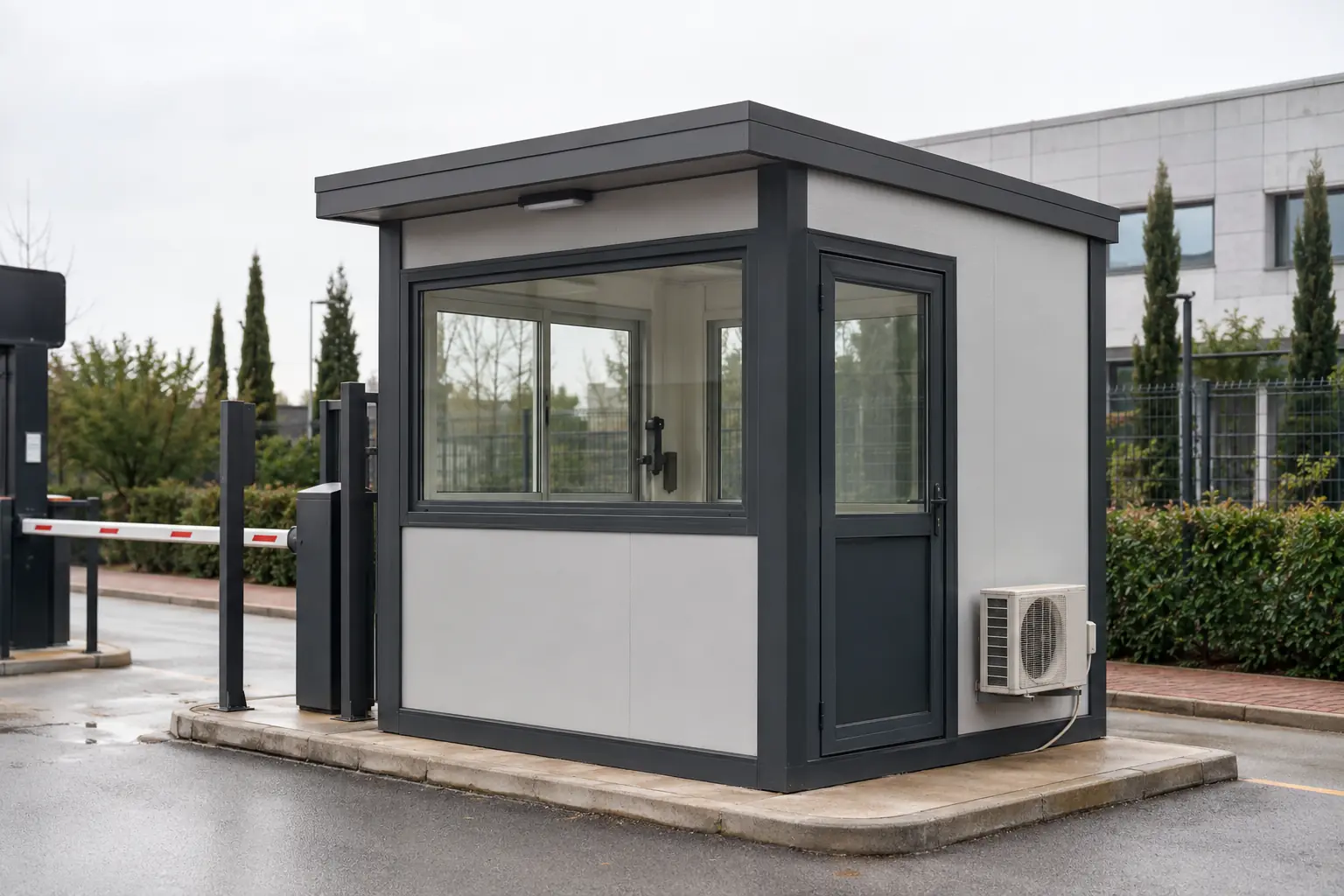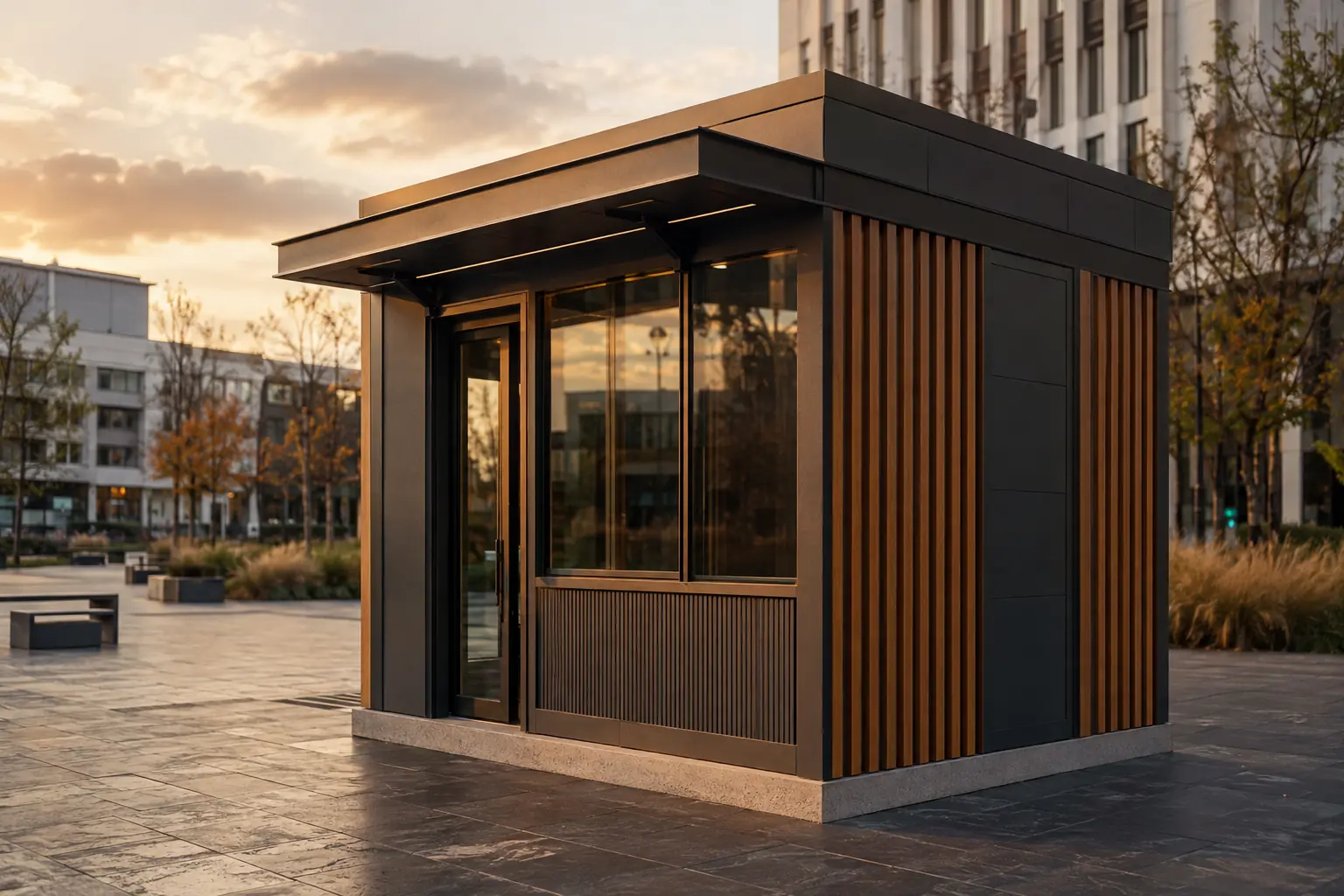


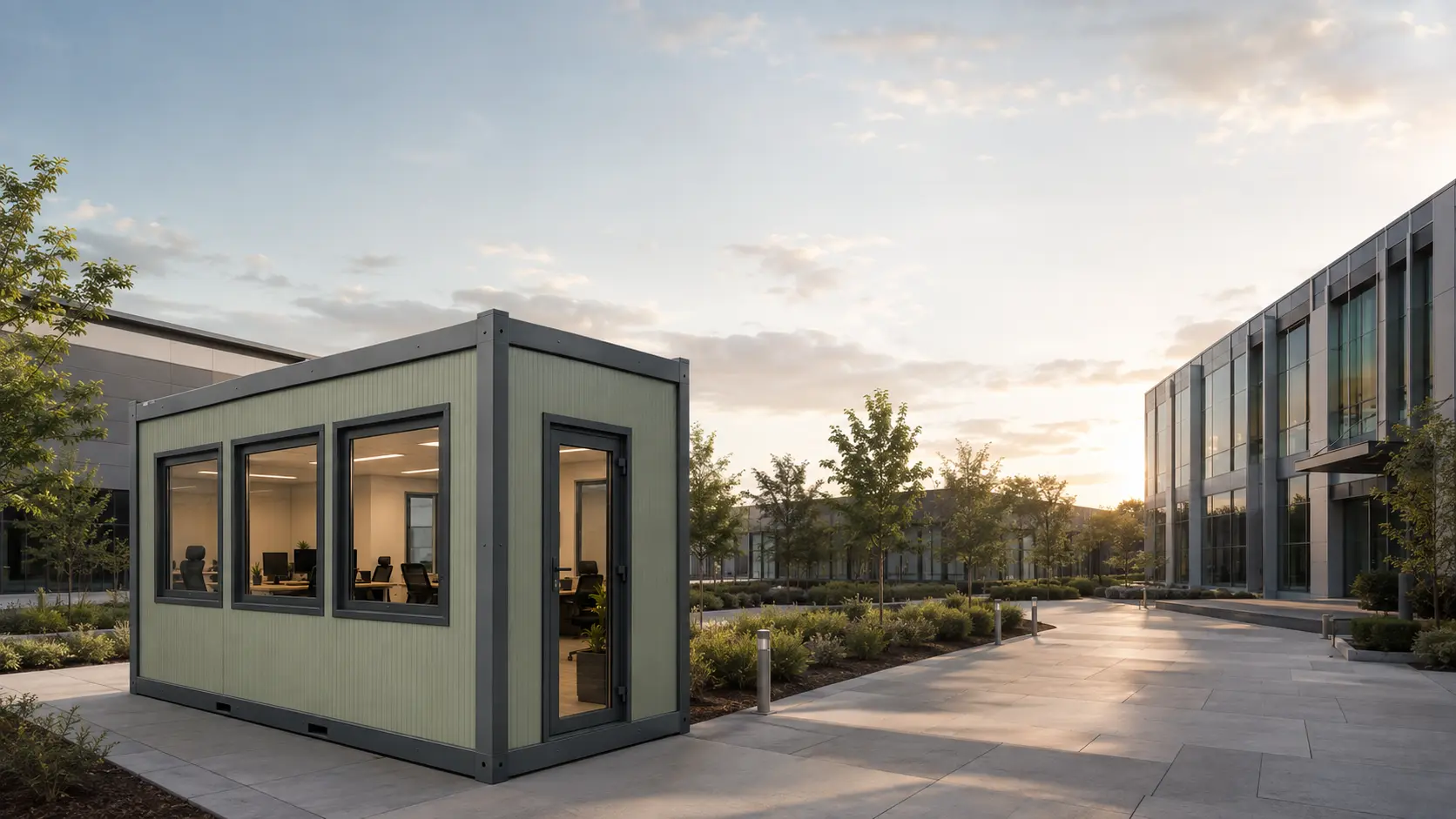
Select the right cabin through size, sightlines, equipment, climate and corporate appearance. This guide connects decisions from the early idea through technical approval and operation.
Duty scenario
Define vehicle, pedestrian, visitor, delivery and emergency duties. Within security cabin selection: visibility, ergonomics and access control, this is not an isolated drawing decision: it affects user experience, technical performance, investment cost and the delivery programme at the same time. A strong team separates known information, uncertainty and acceptance criteria before selecting products. It then defines measurable targets and creates one decision language for the manufacturer, designer, site team and operator. The reasons behind each choice remain traceable, so the same issue is not reopened by different people later. That discipline improves decision speed and the quality of the completed building.
Build the plan around real shift procedures. The evaluation should consider more than initial price. Delivery time, maintenance access, energy demand, user capacity, potential expansion and reuse value all belong in the same matrix. When plans, sections, samples, performance criteria and responsibility limits are reviewed together before manufacture, factory speed becomes a genuine advantage. Modular work packages progress in parallel, so a late decision that appears small can influence several completed assemblies. The approval schedule therefore deserves the same care as the technical programme, with a named owner and deadline for each decision.
An unclear duty produces the wrong size. The most effective risk control is to expose assumptions and avoid leaving inspection to the final day. At stage 1, a concise checklist should name the expected result, responsible party, evidence and closure date. Photographic records, sample approvals and functional tests do more than verify quality; they improve communication between every party. The goal is not to create the largest set of documents, but to make the right decision at the right time and describe it clearly enough for site execution. That discipline creates measurable value from the building's first appearance through many years of operation.
Location
Study approach, barriers, turnstiles, queues and escape. Within security cabin selection: visibility, ergonomics and access control, this is not an isolated drawing decision: it affects user experience, technical performance, investment cost and the delivery programme at the same time. A strong team separates known information, uncertainty and acceptance criteria before selecting products. It then defines measurable targets and creates one decision language for the manufacturer, designer, site team and operator. The reasons behind each choice remain traceable, so the same issue is not reopened by different people later. That discipline improves decision speed and the quality of the completed building.
Place the door away from traffic. The evaluation should consider more than initial price. Delivery time, maintenance access, energy demand, user capacity, potential expansion and reuse value all belong in the same matrix. When plans, sections, samples, performance criteria and responsibility limits are reviewed together before manufacture, factory speed becomes a genuine advantage. Modular work packages progress in parallel, so a late decision that appears small can influence several completed assemblies. The approval schedule therefore deserves the same care as the technical programme, with a named owner and deadline for each decision.
Poor location harms visibility and manoeuvring. The most effective risk control is to expose assumptions and avoid leaving inspection to the final day. At stage 2, a concise checklist should name the expected result, responsible party, evidence and closure date. Photographic records, sample approvals and functional tests do more than verify quality; they improve communication between every party. The goal is not to create the largest set of documents, but to make the right decision at the right time and describe it clearly enough for site execution. That discipline creates measurable value from the building's first appearance through many years of operation.
Sightlines
Test control points from seated and standing eye levels. Within security cabin selection: visibility, ergonomics and access control, this is not an isolated drawing decision: it affects user experience, technical performance, investment cost and the delivery programme at the same time. A strong team separates known information, uncertainty and acceptance criteria before selecting products. It then defines measurable targets and creates one decision language for the manufacturer, designer, site team and operator. The reasons behind each choice remain traceable, so the same issue is not reopened by different people later. That discipline improves decision speed and the quality of the completed building.
Coordinate glazing, structure, screens and shade. The evaluation should consider more than initial price. Delivery time, maintenance access, energy demand, user capacity, potential expansion and reuse value all belong in the same matrix. When plans, sections, samples, performance criteria and responsibility limits are reviewed together before manufacture, factory speed becomes a genuine advantage. Modular work packages progress in parallel, so a late decision that appears small can influence several completed assemblies. The approval schedule therefore deserves the same care as the technical programme, with a named owner and deadline for each decision.
Too much glass causes glare; too little causes blind spots. The most effective risk control is to expose assumptions and avoid leaving inspection to the final day. At stage 3, a concise checklist should name the expected result, responsible party, evidence and closure date. Photographic records, sample approvals and functional tests do more than verify quality; they improve communication between every party. The goal is not to create the largest set of documents, but to make the right decision at the right time and describe it clearly enough for site execution. That discipline creates measurable value from the building's first appearance through many years of operation.
The right size
Compare 4, 8 and 12 m² models against staff, visitors and equipment. Within security cabin selection: visibility, ergonomics and access control, this is not an isolated drawing decision: it affects user experience, technical performance, investment cost and the delivery programme at the same time. A strong team separates known information, uncertainty and acceptance criteria before selecting products. It then defines measurable targets and creates one decision language for the manufacturer, designer, site team and operator. The reasons behind each choice remain traceable, so the same issue is not reopened by different people later. That discipline improves decision speed and the quality of the completed building.
Check door and chair movement at true scale. The evaluation should consider more than initial price. Delivery time, maintenance access, energy demand, user capacity, potential expansion and reuse value all belong in the same matrix. When plans, sections, samples, performance criteria and responsibility limits are reviewed together before manufacture, factory speed becomes a genuine advantage. Modular work packages progress in parallel, so a late decision that appears small can influence several completed assemblies. The approval schedule therefore deserves the same care as the technical programme, with a named owner and deadline for each decision.
External dimensions can misrepresent usable space. The most effective risk control is to expose assumptions and avoid leaving inspection to the final day. At stage 4, a concise checklist should name the expected result, responsible party, evidence and closure date. Photographic records, sample approvals and functional tests do more than verify quality; they improve communication between every party. The goal is not to create the largest set of documents, but to make the right decision at the right time and describe it clearly enough for site execution. That discipline creates measurable value from the building's first appearance through many years of operation.
Ergonomics
Design counter, screens, legroom and storage for the shift. Within security cabin selection: visibility, ergonomics and access control, this is not an isolated drawing decision: it affects user experience, technical performance, investment cost and the delivery programme at the same time. A strong team separates known information, uncertainty and acceptance criteria before selecting products. It then defines measurable targets and creates one decision language for the manufacturer, designer, site team and operator. The reasons behind each choice remain traceable, so the same issue is not reopened by different people later. That discipline improves decision speed and the quality of the completed building.
Support seated and standing work. The evaluation should consider more than initial price. Delivery time, maintenance access, energy demand, user capacity, potential expansion and reuse value all belong in the same matrix. When plans, sections, samples, performance criteria and responsibility limits are reviewed together before manufacture, factory speed becomes a genuine advantage. Modular work packages progress in parallel, so a late decision that appears small can influence several completed assemblies. The approval schedule therefore deserves the same care as the technical programme, with a named owner and deadline for each decision.
One posture increases musculoskeletal complaints. The most effective risk control is to expose assumptions and avoid leaving inspection to the final day. At stage 5, a concise checklist should name the expected result, responsible party, evidence and closure date. Photographic records, sample approvals and functional tests do more than verify quality; they improve communication between every party. The goal is not to create the largest set of documents, but to make the right decision at the right time and describe it clearly enough for site execution. That discipline creates measurable value from the building's first appearance through many years of operation.
Access equipment
List barriers, readers, intercom, CCTV, plate recognition and alarms. Within security cabin selection: visibility, ergonomics and access control, this is not an isolated drawing decision: it affects user experience, technical performance, investment cost and the delivery programme at the same time. A strong team separates known information, uncertainty and acceptance criteria before selecting products. It then defines measurable targets and creates one decision language for the manufacturer, designer, site team and operator. The reasons behind each choice remain traceable, so the same issue is not reopened by different people later. That discipline improves decision speed and the quality of the completed building.
Resolve cabling and maintenance before manufacture. The evaluation should consider more than initial price. Delivery time, maintenance access, energy demand, user capacity, potential expansion and reuse value all belong in the same matrix. When plans, sections, samples, performance criteria and responsibility limits are reviewed together before manufacture, factory speed becomes a genuine advantage. Modular work packages progress in parallel, so a late decision that appears small can influence several completed assemblies. The approval schedule therefore deserves the same care as the technical programme, with a named owner and deadline for each decision.
Later cabling harms security and appearance. The most effective risk control is to expose assumptions and avoid leaving inspection to the final day. At stage 6, a concise checklist should name the expected result, responsible party, evidence and closure date. Photographic records, sample approvals and functional tests do more than verify quality; they improve communication between every party. The goal is not to create the largest set of documents, but to make the right decision at the right time and describe it clearly enough for site execution. That discipline creates measurable value from the building's first appearance through many years of operation.
Climate comfort
Assess sun, glass, insulation, airtightness and cooling together. Within security cabin selection: visibility, ergonomics and access control, this is not an isolated drawing decision: it affects user experience, technical performance, investment cost and the delivery programme at the same time. A strong team separates known information, uncertainty and acceptance criteria before selecting products. It then defines measurable targets and creates one decision language for the manufacturer, designer, site team and operator. The reasons behind each choice remain traceable, so the same issue is not reopened by different people later. That discipline improves decision speed and the quality of the completed building.
Include door opening in heat calculations. The evaluation should consider more than initial price. Delivery time, maintenance access, energy demand, user capacity, potential expansion and reuse value all belong in the same matrix. When plans, sections, samples, performance criteria and responsibility limits are reviewed together before manufacture, factory speed becomes a genuine advantage. Modular work packages progress in parallel, so a late decision that appears small can influence several completed assemblies. The approval schedule therefore deserves the same care as the technical programme, with a named owner and deadline for each decision.
Oversized cooling creates discomfort and waste. The most effective risk control is to expose assumptions and avoid leaving inspection to the final day. At stage 7, a concise checklist should name the expected result, responsible party, evidence and closure date. Photographic records, sample approvals and functional tests do more than verify quality; they improve communication between every party. The goal is not to create the largest set of documents, but to make the right decision at the right time and describe it clearly enough for site execution. That discipline creates measurable value from the building's first appearance through many years of operation.
Security and robustness
Select glazing, doors, locks, walls and anchorage for site risk. Within security cabin selection: visibility, ergonomics and access control, this is not an isolated drawing decision: it affects user experience, technical performance, investment cost and the delivery programme at the same time. A strong team separates known information, uncertainty and acceptance criteria before selecting products. It then defines measurable targets and creates one decision language for the manufacturer, designer, site team and operator. The reasons behind each choice remain traceable, so the same issue is not reopened by different people later. That discipline improves decision speed and the quality of the completed building.
Connect panic, fire and emergency communication to procedures. The evaluation should consider more than initial price. Delivery time, maintenance access, energy demand, user capacity, potential expansion and reuse value all belong in the same matrix. When plans, sections, samples, performance criteria and responsibility limits are reviewed together before manufacture, factory speed becomes a genuine advantage. Modular work packages progress in parallel, so a late decision that appears small can influence several completed assemblies. The approval schedule therefore deserves the same care as the technical programme, with a named owner and deadline for each decision.
Thicker materials alone do not create security. The most effective risk control is to expose assumptions and avoid leaving inspection to the final day. At stage 8, a concise checklist should name the expected result, responsible party, evidence and closure date. Photographic records, sample approvals and functional tests do more than verify quality; they improve communication between every party. The goal is not to create the largest set of documents, but to make the right decision at the right time and describe it clearly enough for site execution. That discipline creates measurable value from the building's first appearance through many years of operation.
Corporate appearance
Integrate the façade with entrance, signage, landscape and brand colour. Within security cabin selection: visibility, ergonomics and access control, this is not an isolated drawing decision: it affects user experience, technical performance, investment cost and the delivery programme at the same time. A strong team separates known information, uncertainty and acceptance criteria before selecting products. It then defines measurable targets and creates one decision language for the manufacturer, designer, site team and operator. The reasons behind each choice remain traceable, so the same issue is not reopened by different people later. That discipline improves decision speed and the quality of the completed building.
Consider Metropol or bespoke options at prominent entrances. The evaluation should consider more than initial price. Delivery time, maintenance access, energy demand, user capacity, potential expansion and reuse value all belong in the same matrix. When plans, sections, samples, performance criteria and responsibility limits are reviewed together before manufacture, factory speed becomes a genuine advantage. Modular work packages progress in parallel, so a late decision that appears small can influence several completed assemblies. The approval schedule therefore deserves the same care as the technical programme, with a named owner and deadline for each decision.
Ad-hoc signage harms vision and balance. The most effective risk control is to expose assumptions and avoid leaving inspection to the final day. At stage 9, a concise checklist should name the expected result, responsible party, evidence and closure date. Photographic records, sample approvals and functional tests do more than verify quality; they improve communication between every party. The goal is not to create the largest set of documents, but to make the right decision at the right time and describe it clearly enough for site execution. That discipline creates measurable value from the building's first appearance through many years of operation.
Accessible service
Design counter, communication and waiting for diverse users. Within security cabin selection: visibility, ergonomics and access control, this is not an isolated drawing decision: it affects user experience, technical performance, investment cost and the delivery programme at the same time. A strong team separates known information, uncertainty and acceptance criteria before selecting products. It then defines measurable targets and creates one decision language for the manufacturer, designer, site team and operator. The reasons behind each choice remain traceable, so the same issue is not reopened by different people later. That discipline improves decision speed and the quality of the completed building.
Consider a lower counter and hearing support. The evaluation should consider more than initial price. Delivery time, maintenance access, energy demand, user capacity, potential expansion and reuse value all belong in the same matrix. When plans, sections, samples, performance criteria and responsibility limits are reviewed together before manufacture, factory speed becomes a genuine advantage. Modular work packages progress in parallel, so a late decision that appears small can influence several completed assemblies. The approval schedule therefore deserves the same care as the technical programme, with a named owner and deadline for each decision.
One counter height restricts access. The most effective risk control is to expose assumptions and avoid leaving inspection to the final day. At stage 10, a concise checklist should name the expected result, responsible party, evidence and closure date. Photographic records, sample approvals and functional tests do more than verify quality; they improve communication between every party. The goal is not to create the largest set of documents, but to make the right decision at the right time and describe it clearly enough for site execution. That discipline creates measurable value from the building's first appearance through many years of operation.
Maintenance
Provide safe access to filters, boards, glass, locks and cladding. Within security cabin selection: visibility, ergonomics and access control, this is not an isolated drawing decision: it affects user experience, technical performance, investment cost and the delivery programme at the same time. A strong team separates known information, uncertainty and acceptance criteria before selecting products. It then defines measurable targets and creates one decision language for the manufacturer, designer, site team and operator. The reasons behind each choice remain traceable, so the same issue is not reopened by different people later. That discipline improves decision speed and the quality of the completed building.
Handover cleaning and inspection schedules. The evaluation should consider more than initial price. Delivery time, maintenance access, energy demand, user capacity, potential expansion and reuse value all belong in the same matrix. When plans, sections, samples, performance criteria and responsibility limits are reviewed together before manufacture, factory speed becomes a genuine advantage. Modular work packages progress in parallel, so a late decision that appears small can influence several completed assemblies. The approval schedule therefore deserves the same care as the technical programme, with a named owner and deadline for each decision.
Inaccessible faults become outages. The most effective risk control is to expose assumptions and avoid leaving inspection to the final day. At stage 11, a concise checklist should name the expected result, responsible party, evidence and closure date. Photographic records, sample approvals and functional tests do more than verify quality; they improve communication between every party. The goal is not to create the largest set of documents, but to make the right decision at the right time and describe it clearly enough for site execution. That discipline creates measurable value from the building's first appearance through many years of operation.
Bid evaluation
Compare equipment, connections, transport, anchorage and commissioning. Within security cabin selection: visibility, ergonomics and access control, this is not an isolated drawing decision: it affects user experience, technical performance, investment cost and the delivery programme at the same time. A strong team separates known information, uncertainty and acceptance criteria before selecting products. It then defines measurable targets and creates one decision language for the manufacturer, designer, site team and operator. The reasons behind each choice remain traceable, so the same issue is not reopened by different people later. That discipline improves decision speed and the quality of the completed building.
State performance in an itemised specification. The evaluation should consider more than initial price. Delivery time, maintenance access, energy demand, user capacity, potential expansion and reuse value all belong in the same matrix. When plans, sections, samples, performance criteria and responsibility limits are reviewed together before manufacture, factory speed becomes a genuine advantage. Modular work packages progress in parallel, so a late decision that appears small can influence several completed assemblies. The approval schedule therefore deserves the same care as the technical programme, with a named owner and deadline for each decision.
Visually similar bids are not technically equal. The most effective risk control is to expose assumptions and avoid leaving inspection to the final day. At stage 12, a concise checklist should name the expected result, responsible party, evidence and closure date. Photographic records, sample approvals and functional tests do more than verify quality; they improve communication between every party. The goal is not to create the largest set of documents, but to make the right decision at the right time and describe it clearly enough for site execution. That discipline creates measurable value from the building's first appearance through many years of operation.